Happy Cinco de Mayo
What to know before you get inappropriately trashed at a taqueria later

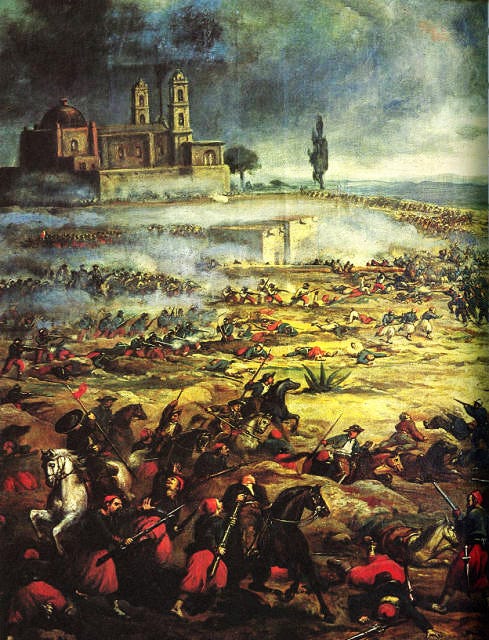
There are levels of knowledge the average American has regarding Cinco de Mayo. Some people think it’s Mexico’s Independence Day (it’s not). Some people think that Mexico is celebrating its victory over Spain (they are not). Some people know it involves France, but most people just say “Cinco de Mayo,” because it’s fun to say. They get tacos, margaritas, and wear sombreros. Over the course of my lifetime, I have seen the holiday grow into the same level of drunken, misunderstood revelry of St. Patrick’s Day.
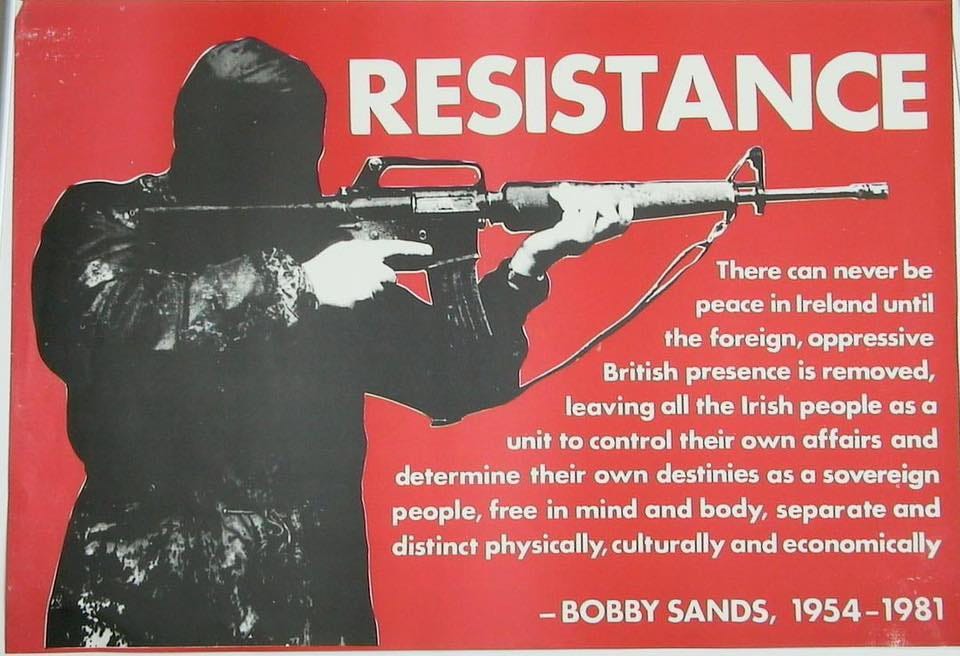
Most people drinking green beer don’t know shit about Bobby Sands, the Irish Republican Army (IRA) member whose hunger strike in prison ended on this day in 1981 with his death at the age of 27. Yet, they celebrate St. Patrick’s Day. In much the same fashion, the average taco and margarita enjoyer doesn’t know shit about the 1862 Battle of Puebla.
The Second French Empire used debt to take over Mexico in 1862, using the division between the Mexican people’s left and right wings. They installed a puppet monarchy after Mexican President Benito Juárez stopped paying debts to Europe. France, Spain, and the U.K. decided to do something about it, and France wanted a Catholic vassal in the region to check the growing U.S., which was distracted by its own Civil War.
Juarez didn’t pay the debts because Mexico had just ended its own three-year civil war of reform between the right and left wings from 1857 through 1861. Liberals overthrew the conservative dictator Antonio Lopez de Santa Anna, demanding greater restrictions on the executive branch’s power. Spain backed the right wing. The U.S. backed the left. The left demanded the separation of church and state, a reduction in the military’s political power, and public education.
In the wake of that war, the nation placed a necessary two-year moratorium on debt payments to reorganize the treasury. This was not good enough for European powers, who were looking to expand their empires. So, Napoleon III decided to embark on the creation of the Catholic client state. He then installed Maximilian of Habsburg, the Archduke of Austria, as “Emperor of Mexico.”
European powers sent their navies to Veracruz. France sent a very well-armed fleet, which drove Juarez into exile. They marched from Veracruz to Mexico City, encountering heavy Mexican resistance in Puebla from the forts of Loreto and Guadalupé. Despite their fervor, the Mexicans were outnumbered and outgunned. There were only around 4,000 of them with bad gear versus well-trained and equipped French troops numbering around 8,000.
Despite the odds, the Mexicans defeated the French, led by Ignacio Zaragoza Seguin. Seguin was born in Texas when the current U.S. state was a Mexican territory (it was taken by the U.S. government during the Mexican-American War). He tried to enlist to take back Texas, but was refused. He then became a merchant and, in 1852, joined the Mexican Liberal Party, where he was able to finally be an active militia member. He helped defeat the right-wing General Sanat Anna in 1854 and continued the fight against conservatives in 1857 during the Civil War. In 1860, he was instrumental in defeating the conservatives in the Battle of Calpulapan.
Unfortunately, Seguin died of an illness shortly after the first Battle of Puebla. So, when France returned for the Second Battle of Puebla, they found the Mexicans without their capable general. France won that one. They also brought 30,000 troops to do it. It was after that battle that they installed the Austrian Maximilian I as the ruler of Mexico. His rule lasted from 1864 to 1867.
After the Union won the American Civil War — its own war between Liberals and Conservatives over the divisive issue of chattel slavery — the U.S., through Secretary of State William Seward (the guy who also bought Alaska from Russia in a move people called “Seward’s Folly” until the sheer amount of raw natural resources was revealed) started aiding the Mexican liberals.
As many as 50,000 U.S. troops were mobilized at the border in an effort to intimidate French forces to leave. The U.S. also created clandestine networks of arms smuggling, getting tens of thousands of weapons to Mexico to use against the French. Union General Ulysses S. Grant, who accepted Robert E. Lee’s surrender at Appomattox to end the Civil War, sent General Philip Sheridan to Texas to monitor the situation.
Financially, the U.S. supported the purchase of Mexican bonds and also provided direct funding, and allowed U.S. volunteers to fight for the Mexican cause against France. While officially neutral, U.S. financial, diplomatic, and shadowy military aid helped Mexico expel the European forces.
Like everything else the U.S. did, it had ulterior motives. The U.S. would rather have a Mexican democracy bordering it than European powers and their expansionist puppet monarchies, especially as it was on its own mission of genocidal Western expansionism under the Monroe Doctrine.
To this day, Cinco de Mayo is much more popular in the U.S. than in Mexico. This year, however, I feel as if people should consider whether or not they embody the values of American interventionism to support Mexican Democracy. Do you support our government’s policies that harm Mexico through gun running to cartels and abusing imported drugs in the U.S.? Do you support Immigration and Customs Enforcement (ICE) in their mission to harass and deport our Mexican neighbors? Are you a fucking racist?
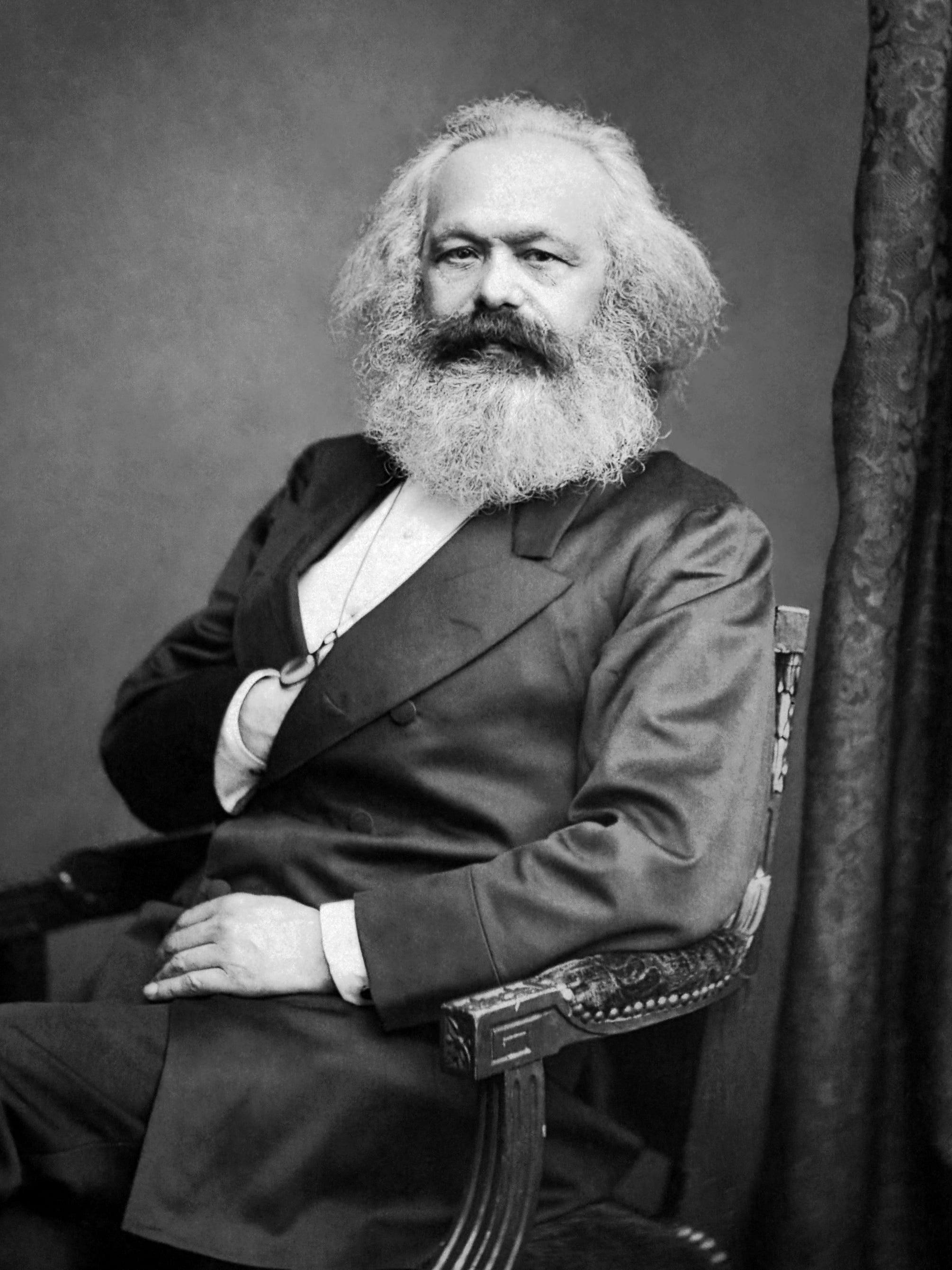
If you answered yes to any of this, sit this out. We are here to celebrate Mexican liberals fighting conservatives and global imperialism to take back their nation. I am also personally here to celebrate the 208th birthday of Karl Marx, who founded the economic system of Communism.
EACH ACCORDING TO THEIR ABILITY
EACH ACCORDING TO THEIR NEED